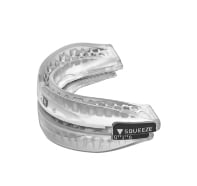
Do You Snore?
Snoring is
the most common symptom of obstructive
sleep apnea (OSA), a disease linked to high blood pressure
(hypertension), congestive heart failure, and stroke, so you should
consult your physician if you believe you're at risk. If you would like
to gauge the severity of your sleepiness, use the Epworth
Sleepiness Scale.
Diabetes and
SDB
People with diabetes often have sleep-disordered
breathing (SDB), and while both diseases increase a person's risk
of heart disease, the combination of the two puts people at an even
higher risk. More
|
Always Tired?
You may be too tired, so check your level of sleepiness. Being tired is more than a
nuisance. Excessive daytime sleepiness is dangerous. Sleepiness
increases your risk of traffic and work-related accidents, and it can
have negative effects on your personal relationships, work performance,
and psychological health.
Info for
Your Doctor
If you plan to see your doctor soon, print a
copy of our Clinical
Introduction to Sleep-Disordered Breathing (SDB). If your
doctor is not familiar with the symptoms and risks of SDB, this document
provides medical references your doctor can trust.

|
High Blood Pressure?
Obstructive
sleep apnea (OSA) increases a person's risk of developing high
blood pressure, and high blood pressure is the primary risk factor for
congestive heart failure and stroke, two of the biggest killers. More
OSA and Your Weight
Obesity
is one of the most significant risk factors for obstructive sleep apnea
(OSA). While researchers estimate that only 2-4% of the US population
suffers from OSA, that number jumps to 20-40% of the obese
population. More |